Books / Price

A History of Elizabethtown, Kentucky
By Samuel Haycraft, 1869, reprint 2006. This hardback describes Elizabethtown's history in detail from 1779 to 1869, based on tradition and the author's recollections of Elizabethtown's prominent residents, structures, businesses, and occurrences.
The Series of Monograms Concerning The Lincolns
By R. Gerald McMurtry, 1938, 2nd printing 1999. Selected monographs from those published from November 28, 1935, to April 29, 1937, in the Hardin County Enterprise about the Lincolns and their residence in Hardin County
Barney, A Forgotten Hero
The story of Commodore Joshua Barney and his Connection with Elizabethtown, Kentucky by George K. Holbert, 1943: Reprint 1998. This pamphlet tells of the exploits of Revolutionary War and War of 1812 naval hero Joshua Barney and his connection with Elizabethtown, Kentucky.
Chronicles of Hardin County, 1766-1974 Bicentennial Edition
Compiled by Mrs. Thomas Durham (Guy) Winstead, 1974/Second Printing in September 2011, 88 pages/Softcover.
Elizabethtown by Meranda L. Caswell , 2005 , 128 pp, pb
This is a pictorial history in the Images of America series. It examines various areas of the city, its people, and educational opportunities, highlighting how these parts of the town developed from the late 1800s to about 1925.

Elizabethtown & Hardin County 1869-1921
By H.A. Sommers, 2001, 199 pp, pb
This book is the complement to Haycraft's and takes up where he left off, describing the history of Elizabethtown from 1869 to 1921 in great detail.
Elizabethtown City Directory 1932-1933
See who is living in Elizabethtown according to the telephone directory.
Hardin County by Meranda L. Caswell , 2006 , 128 pp, pb
This is a pictorial history in the Images of America series. This is a work that discusses the various towns in Hardin County, their development and their people, primarily in the late 1800's and early 1900's. Many of the photographs come from the hitherto unpublished collection of the Brown-Pusey Library in Elizabethtown.
James Buchanan in Kentucky, 1813 by R. Gerald McMurtry , 1934; reprint 2000
This pamphlet details the 15th President of the United States, James Buchanan's short stay when he lived in Elizabethtown, Kentucky.
Nostalgia - The Olde Bethlehem Academy by Edith Ray , 1982 , hb
This book provides the history of the Bethlehem Academy, a Catholic girls' boarding school. The book reflects on the Academy's operation, its closing and the subsequent restoration of the building.
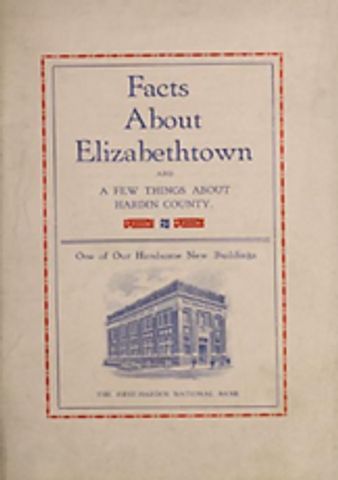
Facts About Elizabethtown & A Few Things About Hardin County
Compiled by Leroy Martin , 1923: reprint 1987
This paperback tells little odds-and-ends facts about Elizabethtown during the 1920 time period.
The United States Army at Fort Knox by Matthew Rector, 128 pp, pb
This is a pictorial history in the Images of America series. The work covers the beginning of Fort Knox and World War I and its aftermath in the period 1903-1931; the history of the development of and armor build-up period, 1932-1940; World War II, 1941-1945; and post World War II, 1946-1958.
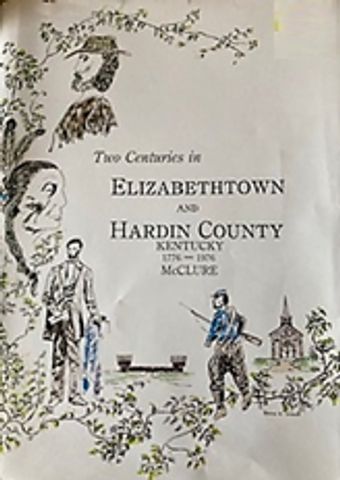
Two Centuries in Elizabethtown and Hardin County, 1776- 1976
Byy Daniel E. McClure, Jr. , 1979; reprint 1999 , hb. This book presents the History of Elizabethtown and Hardin County through a series of short stories from the Native Americans and Pioneers to World War II and Elizabethtown Community College.
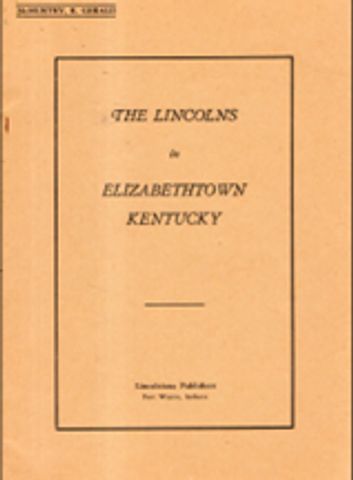
The Lincolns In Elizabethtown, Kentucky by R. Gerald McMurtry , 1932
Reprint 2000. This pamphlet describes in detail where the different members of the Lincoln family lived in Elizabethtown, how long they lived here, and what they did during the time they were here..
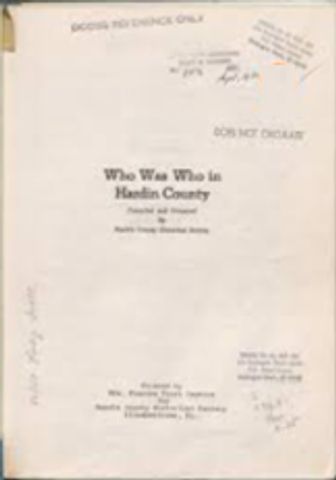
Who Was Who in Hardin County by Hardin County Historical Society, 1946
Reprint 2005, 177 pages. Compiled in 1946 by various members of the Hardin County Historical Society. Reprint 2005, with corrections. This book contains sketches of 177 early residents of Elizabethtown and Hardin County, ranging from the pioneer settlers of 1780 to prominent residents of the early 20th century.
George Armstrong Custer in Elizabethtown, 1871-1873 by Mary Jo Jones , 1998
This pamphlet describes Custer's two years of residence in Elizabethtown..
The Bond - Washington Story by Lottie Offet Robinson , reprint 2000
This book tells of the Bond-Washington High school in Elizabethtown for African Americans, before the Civil Rights act, through the eyes of a former teacher.
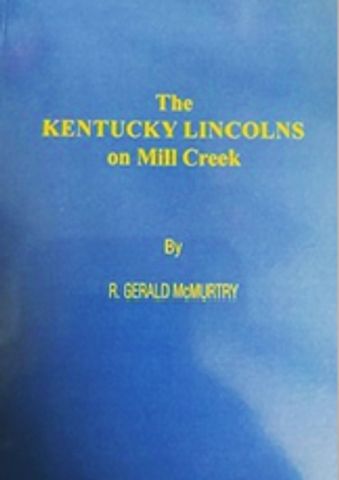
The Kentucky Lincoln's on Mill Creek
Originally published in 1939 by R. Gerald McMurtry. Is a foundational historical work focusing on the early life of Abraham Lincoln's family in Hardin County, Kentucky. It documents the family's land ownership, specifically Thomas Lincoln's 238-acre farm on Mill Creek, which he owned before moving to the Sinking Spring farm.
The Series of Monograms Concerning The Lincolns
Originally published in 1939 by R. Gerald McMurtry. Is a foundational historical work focusing on the early life of Abraham Lincoln's family in Hardin County, Kentucky. It documents the family's land ownership, specifically Thomas Lincoln's 238-acre farm on Mill Creek, which he owned before moving to the Sinking Spring farm.
The Lincolns Migration From KY to IN 1816
By R. Gerald McMurtry (originally published 1937, reprinted 2021). Covers the pivotal move of the Lincoln family. It highlights why Thomas Lincoln left Kentucky due to land title disputes, the route taken, and their journey to a new life. The book documents the family's transition.
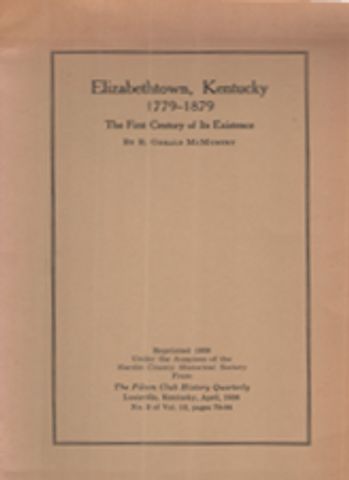
Elizabethtown, Kentucky 1779-1879 The First Century of Its Existence
By R. Gerald McMurtry. Is a detailed historical pamphlet, often published by the Woman's Club of Elizabethtown, covering the town's frontier beginnings, early settlement challenges, and growth through its first 100 years. Originally published in the Filson Club History Quarterly in 1938, it documents key figures, including the Lincolns, and the town's development.
Glimpses of Elizabethtown Past
By the Hardin County Historical Society. Provide a glimpse into the past of Elizabethtown, KY, covering its pioneer, Civil War, and early 20th-century history.
Sarah Bush Lincoln: The Beloved Foster Mother of Abraham Lincoln -- a Memor
Is a 1922 biographical work by Louis A. Warren that honors the crucial role of Abraham Lincoln's stepmother. It highlights her as a nurturing, pivotal figure who encouraged young Abe’s education and character, fostering the stability needed for his future success.
Hardin County And Her Part In World War II, written by W.M. Boling
Often cited as a 1948 publication, is a historical account documenting the contributions of Hardin County, Kentucky, during WWII. It includes information on local residents, military involvement, and home front activities. It is a valuable local history resource.
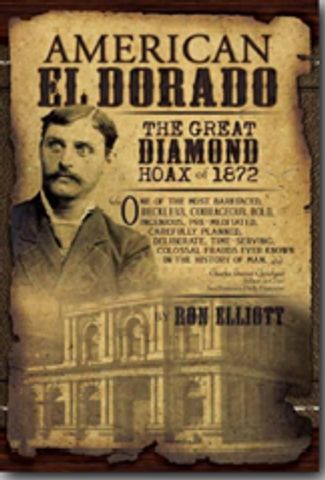
American El Dorado The Great Diamond Hoax of 1872 by Ron Elliott
American El Dorado is the true story of how Philip Arnold and John Slack, cousins from Kentucky, convinced some of America's most notable citizens to invest in their discovery of an untouched field of precious stones in an unspecified Western location. So convincing was the scheme that even America's s most famous jeweler, Charles Lewis Tiffany, was taken in. The con game made the pair rich until the fraud was eventually revealed.

Early History of Vine Grove, Kentucky by Paul W. Urbahns
A 146-page book (2024 revised edition) detailing the development of the Hardin County town, focusing on the town's growth, early businesses, the railroad, introduction of electricity and telephone, and the impact of war. It covers local history, including the Crutcher Opera House and the story of Chief Rolling Bear.

Hardin Heritage - The Historic Architecture of Hardin County, Kentucky
By Hardin County Planning and Development Commission , 1986. This paperback provides an inventory of the important architecture of Hardin County.
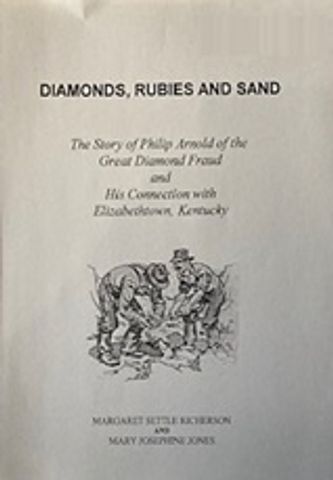
Diamonds, Rubies and Sand
The story of Philip Arnold of the Great Diamond Fraud and his Connection with Elizabethtown, Kentucky by Margaret S. Richerson & Mary Jo Jones , 1999.
This work examines Elizabethtown native Philip Arnold's life as a miner, his participation in the Great Diamond Fraud, his return to Elizabethtown, Kentucky and his legal problems.
East Side Chronicle 1928
A school journal published by the sophomore and junior classes of East Side High School telling of life at the high school. Includes articles from the students, pictures of a few of them, and old advertisements of the time.

Lincolns Advocate, Judge Joseph Holt by Susan Dyer
This book uncovers a brilliant legal mind who had been appointed cabinet posts under several presidents in such diverse positions as Commissioner of Patents, Postmaster General, Secretary of War, and finally, our nation s first-ever Judge Advocate General, where he had the tremendous responsibility of prosecuting the conspirators who had slain the very president who had appointed him to that office, President Abraham Lincoln.
Joseph Holt Mansion by Susan Dyer
Is a book detailing the author's efforts to save and restore the historic mansion in Breckinridge County, Kentucky, the home of Judge Joseph Holt, a key figure in the Lincoln administration. The book chronicles the mansion's history, its connection to Holt (Lincoln's first Judge Advocate General), and the community-led restoration project that began in the late 1990s, highlighting Dyer's "never say never" attitude in overcoming challenges to preserve the landmark.
The Carrie Nation J.R. Neighbors Incident by Mary Josephine Jones , 1998
This pamphlet describes the incident between a temperance leader, Carrie Nation, and Elizabethtown saloon keeper, J.R. Neighbors and the aftermath.
The Civil War in Hardin County, Kentucky, by Mary Josephine Jones, 1999
Many significant events of the Civil War occurred in Hardin County, Kentucky. This work aims to simplify access to information about these events.
Glimpses and Gleanings of Glendale, by Larry Brawner and Michael L. Bell
A pictorial history of Glendale, Ky. First printing in 2005. The second printing in 2011.

Kentucky Heritage House Print
Thomas Lincoln, father of the 16th President, did the carpentry and cabinet work on the 4 room log structure, built ca. 1805.
Bethlehem Academy 1818-1891 Print
Bethlehem Academy is a historical landmark, built in 1818. Bethlehem Academy is an abandoned school for girls off of St. John Road that was built in 1818 established in 1819 by Bishop Flaget and the Sisters of Charity of Nazareth.
Bethlehem Academy 1818 Print
John Helm built the building at 7051 St. John Road in 1818 and later served two terms as Kentucky governor. After selling it to the Roman Catholic diocese in Bardstown, the church opened Bethlehem Academy for girls around Christmas in 1830.
Haycraft Inn, Radcliff, KY 1820 Print
Oldest portion of inn constructed ca. 1814. Building enlarged to its present size when purchased by Daniel Haycraft, ca. 1820. On the Louisville - Nashville Turnpike, the inn was popular stopping place for stagecoaches. In spite of railroads and resulting decline in stagecoach travel, inn was still operating in 1884. Private home by 1917. On Natl. Register of Historic Places.
Add a footnote if this applies to your business